We return to myths for the same reason we reread favorite romances. Recognition lets us lean in, surprise keeps us turning the page. Retellings hand us a map we think we know, then redraw the borders around desire, power, and consequence. In romantic fantasy, that remix does something especially electric. It takes stories built on sacrifice and spectacle, then asks how love survives inside those pressures, and what it looks like when agency is no longer a luxury but the point.
This wave of mythic romance is not simply Greek pantheons in modern clothes. It is a global refit, a shift in gaze and ethics. Authors are placing familiar archetypes in fresh settings, centering characters who were once sidelined, and writing intimacy with clarity about consent. The effect is a chorus rather than a single voice. These books speak to one another across eras and cultures, and the conversation is about who gets to choose, who gets to live, and who gets to love out loud.
Why retellings work in romance
The promise of a known spine makes space for deeper character work. When readers already understand the stakes, the story can spend its time on how two people meet those stakes together. Fate can still push, but choice carries the day. Retellings also let authors turn tropes inside out. A monster can be a guardian, a labyrinth can be a plan, a bargain can be a boundary.
NEON GODS by Katee Robert
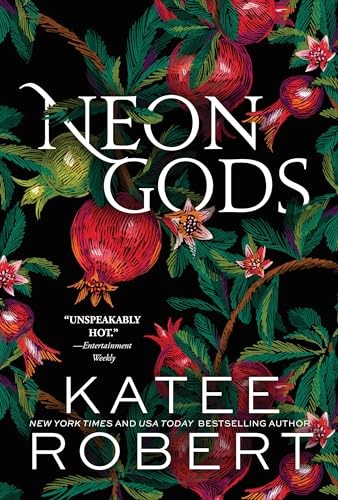
A modern Hades and Persephone that swaps kidnap narrative for negotiation, and turns the Underworld into a neon city built on consent. The romance is a public performance that becomes a private covenant, and the text is explicit about power being something you name, share, and protect. It is a smart blueprint for how to modernize a myth without sanding off its danger.
Fresh settings, new pantheons
The most exciting retellings widen the lens. They carry us into courts of jade and obsidian, into snowfields where giants whisper, into road novels that cross underworld borders most of us have never seen before. Worldbuilding does not decorate the romance, it shapes it.
DAUGHTER OF THE MOON GODDESS by Sue Lynn Tan
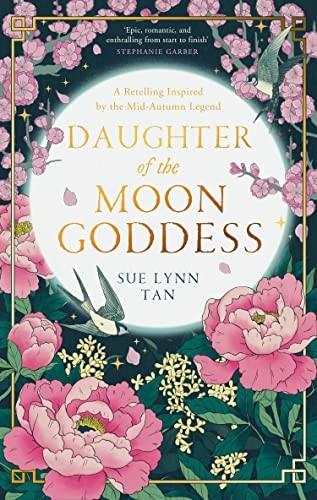
Rooted in the legend of Chang’e, this is a courtly romance braided with quests. The settings are luminous, the politics exacting, and the love story grows through tests that value courage, loyalty, and wit. The myth feels both faithful and new because the heroine’s choices keep resetting the terms.
GODS OF JADE AND SHADOW by Silvia Moreno-Garcia
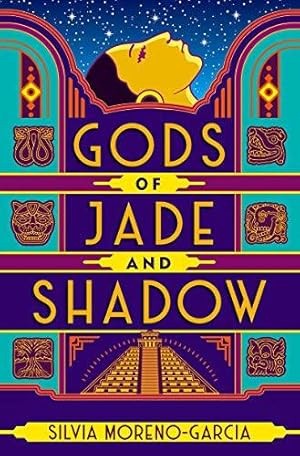
A Mayan death god and a mortal girl share a journey across Jazz Age Mexico, and the book treats romance as a reckoning with freedom. It is stylish, sharp about class and family, and honest about the costs of loving someone who belongs to a different order of the world. Bittersweet, yes, but the relationship is written with a tenderness that leaves a mark.
Consent and agency - updated
Many classic myths leave women voiceless or cornered. Modern romantic fantasy answers by foregrounding consent, by letting desire be named, and by reframing legendary bonds as partnerships rather than claims.
THE WITCH’S HEART by Genevieve Gornichec
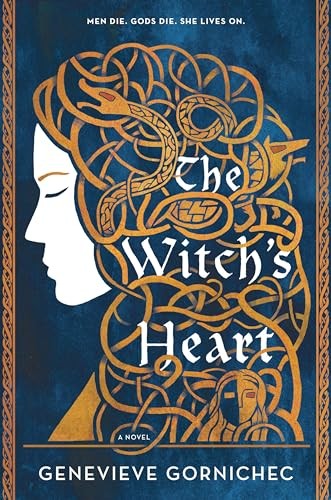
Angrboda and Loki begin as wary allies in the wake of violence. What follows is a love story that values craft, care, and the right to define one’s life. Motherhood, prophecy, and grief all play roles, yet the book never treats the heroine as a lesson. Agency is the engine, not the reward.
PSYCHE AND EROS by Luna McNamara
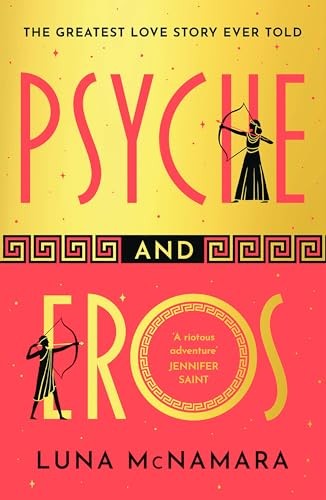
This retelling leans into two fully realized adults who think, argue, and choose. The romance is playful and respectful, the trials are equal opportunity, and the arc shows how mutual recognition turns fate into something earned. It is mythic, but it reads like two people learning the same language.
Final thoughts
The best mythology remixes feel inevitable once you have read them, as if the older story had always been waiting for this angle, this voice, this romance. They do not erase the bones of the legend, they let new muscle grow on it. Across pantheons and continents, these books are asking the same galvanizing question. If you could step back into an old tale with modern clarity about love and consent, what would you change, and what would you fight to keep.
If your shelves already hold dragon epics and court intrigue, consider adding a few gods and legends that have learned to speak in the language of choice. The map is larger than it used to be, and there is room on it for devotion that is tender, desire that is named, and endings that honor both story and self.

CJ Holmes writes paranormal and fantasy romances with sizzlingly hot heroes and strong, sassy women. Her first two series have reached the top ten category bestseller lists on Amazon and she has recently signed a four-book deal with City Owl Press. You can expect a strong dash of dry British humor, enough action and adventure to keep you turning the pages, and spice that might be too hot to read in public.
You’ll find CJ hanging out in one of her local cafes or walking somewhere in the UK countryside, invariably inappropriately dressed for the weather. If she isn’t there, she’ll be in a bookshop adding to her TBR list and book collection, and she considers herself fortunate that her husband is also an avid reader.
No comments posted.










 © 2003-2026